Bitegrowth
Comparative Insight: Choosing a Red Light Therapy Manufacturer That Actually Delivers
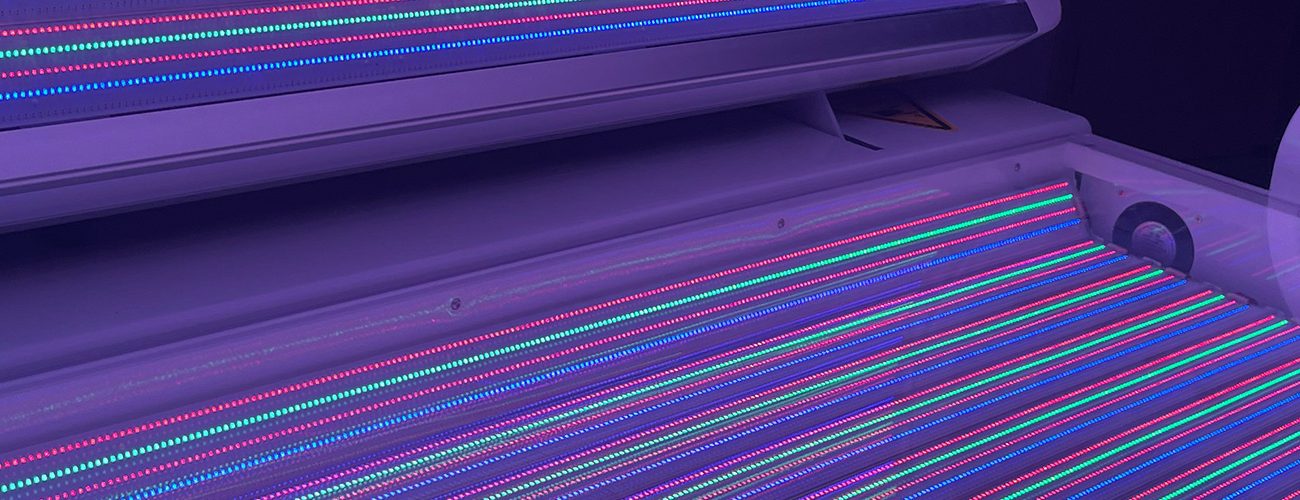
Introduction — Why this choice matters now
Have you ever stood in a clinic and wondered why two red light systems that look the same give wildly different results? Data shows device performance can vary by 30–50% across manufacturers, depending on component choices and assembly quality (and yes, that gap hits user outcomes). In the second sentence I want to be clear: if you’re talking to suppliers, the phrase red light therapy manufacturer should be front and center in your brief.
Picture this: a spa owner orders a dozen units, expecting consistent sessions, and instead finds some units run hot, others dim, and a couple fail within months. That scenario is common enough that it deserves attention. I’ll share what I’ve seen, explain the real risks, and then compare what good looks like — so you don’t repeat that same expensive mistake. Ready to look under the hood? Let’s move into the real issues that most teams miss.
Part 2 — Where many designs fail: the hidden technical and user pain points
What exactly goes wrong with standard beds?
When I audit production lines, the problem often starts with the fundamentals. The typical red light therapy bed manufacture model focuses on quick assembly rather than optical and thermal integrity. You get cheap LED arrays that drift in output, poor wavelength calibration, and inadequate thermal management. Those design shortcuts translate directly into uneven therapy sessions and shortened device life.
Look, it’s simpler than you think: if the LEDs run too hot, the output shifts and the user gets less effective dosing. If the power converters are underspecified, you’ll see flicker and inconsistent intensity. I’ve watched clinics replace devices after only a year because they didn’t account for component aging or the need for robust control firmware. From a user’s point of view, the pain points are clear — unpredictable session results, higher maintenance, and trust erosion. Manufacturers who skim on QA, ignore thermal modeling, or skip wavelength testing create headaches for buyers and end users alike.
 Part 3 — Future outlook and how to evaluate partners
What’s next for reliable red light therapy beds?
Looking ahead, I expect the next wave of good designs to center on precise optical engineering and smarter control systems. If you’re evaluating a red light therapy bed manufacture, ask about photometric testing, duty-cycle control, and how they compensate for LED aging. Newer builds also tie in better thermal management and modular LED replacement — so you don’t toss the whole unit when one module fails. These are practical advances, not buzzwords.
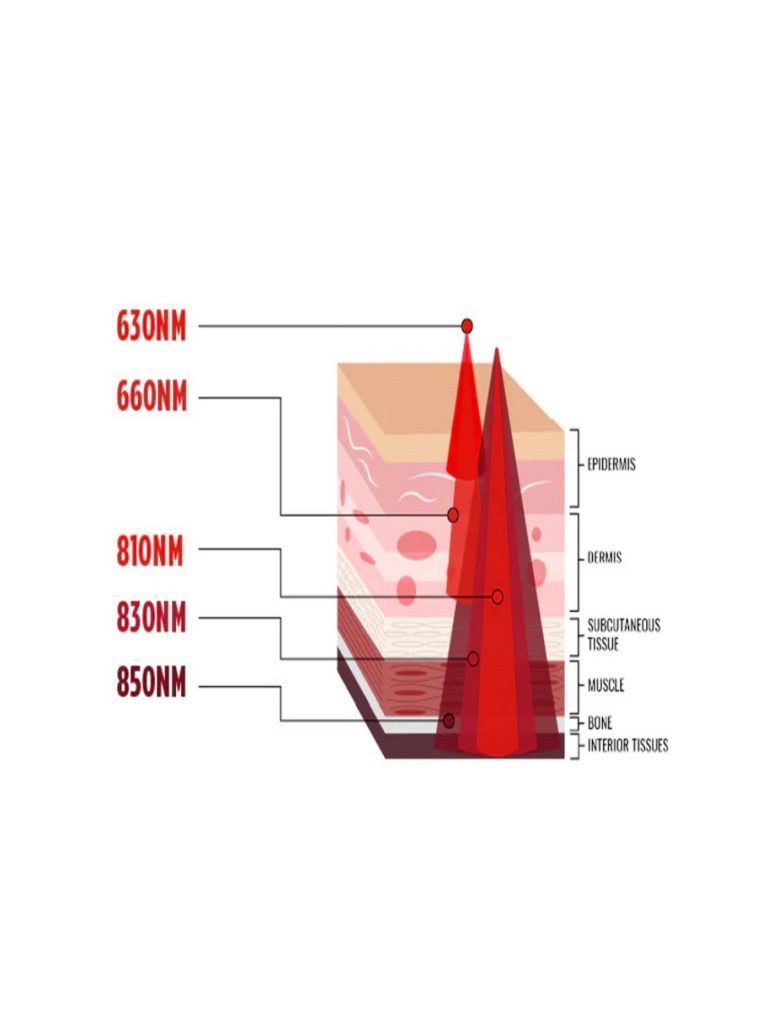
Here are three metrics I recommend using when comparing suppliers: output consistency (measured across time and temperature), wavelength accuracy (how close the device stays to target nm), and serviceability (ease of module replacement and firmware updates). Evaluate suppliers on data, not promises — ask for test reports, sample logs, and a clear warranty pathway. — funny how that works, right? I prefer partners who publish real performance curves and provide a clear plan for field support.
In my experience, the best outcomes come from teams that balance solid engineering with real-world testing. We want devices that give consistent dosing, run cool, and are easy to service. If a vendor can show those results, they’re worth talking to. For a pragmatic, experienced partner with clear OEM/ODM pathways, consider checking Magique Power — they present the kind of transparency and engineering focus that saves time and money in the long run.