Bitegrowth
Performance Compared: Where Laser Engraver Fume Extractors Are Really Heading
Introduction
I was in a mate's garage the other day, and the cutting smell made us all wince — you know the sort of thing that lingers like a bad curry. In workshops full of hobbyists and small manufacturers, a proper laser engraver fume extractor can change the vibe entirely; yet many people still ignore right sizing and filter choice, even though short runs can spike PM2.5 to worrying levels (I’ve seen readings jump past 120 µg/m³ during a single session). So how do we get from smelly shops and sore throats to clean, productive space without breaking the bank? Let’s unpack where the real problems sit and what to look for next — no fluff, just practical sense.
Hidden Costs and Failures of Traditional Filtration
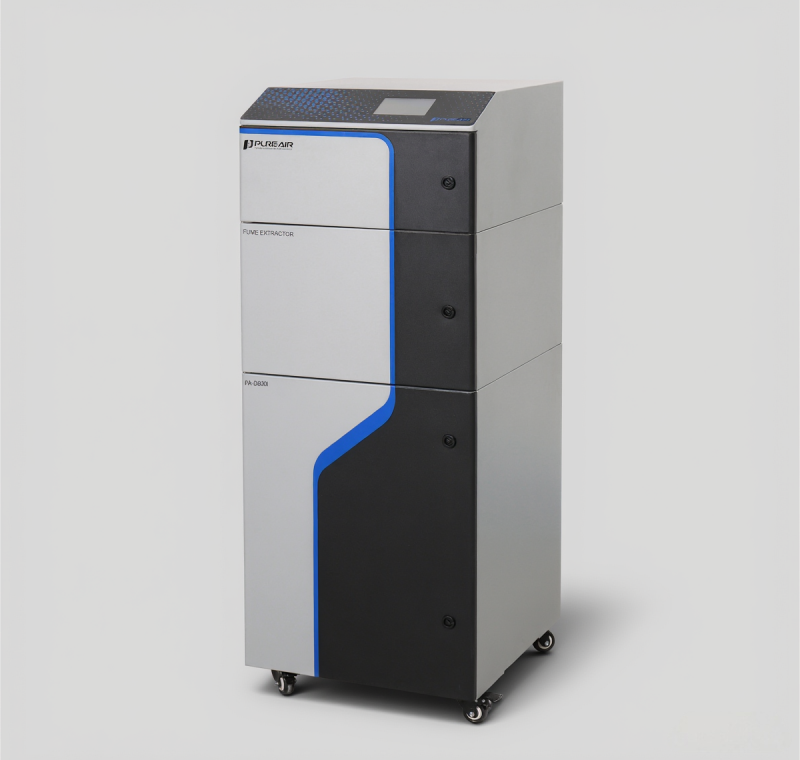
smoke purifier for laser engraver systems are often sold as one-size-fits-all fixes. I’ve tested a few of them and noticed the same pattern: decent initial performance, then a steady slide as filters clog and fans slow. Technically speaking, the usual stack — a pre-filter, HEPA stage, and activated carbon bed — works on paper. But reality introduces factors like inadequate CFM, poor ducting, and low filtration efficiency once oily residues build up. That translates to higher maintenance and hidden downtime. Look, it’s simpler than you think: the right fan power and predictable airflow matter as much as filter media.
 What's failing?
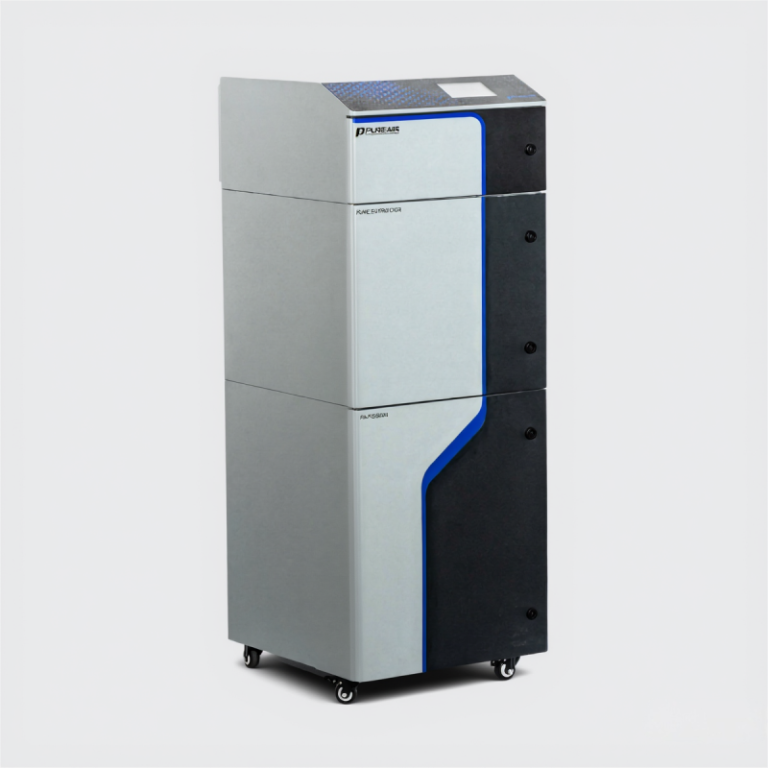
From my hands-on work, the biggest failings are mechanical and operational, not just media choice. People pick a unit by price or size. They forget to match airflow (CFM) to laser power and material type. Filter loading from adhesives and plastics changes the capture curve. Fans lose RPM over time without clear maintenance cues. And ventilation layout — poor ducting or blocked intakes — kills performance fast. I’ve seen operators chasing VOC readings while the particulate counts stayed stubbornly high because the pre-filter was saturated. Two industry terms to note: PM2.5 and VOCs. These are the metrics that tell the true story. — funny how that works, right?
Comparative Outlook: New Principles Driving Cleaner Workshops
Looking forward, I reckon the next step is smarter systems that combine solid hardware with simple monitoring. New principles include active airflow mapping, staged filter alerts, and modular power converters for quieter, stable fans. When manufacturers apply sensors for differential pressure and VOC spikes, the system tells you when to swap a cartridge — not the other way around. I’ve been testing units that pair a compact centrifugal blower with a HEPA-plus-carbon hybrid and a tiny controller that logs hours and warns on filter load. The result is steadier capture rates and better filtration efficiency over time. The smoke purifier for laser engraver models that adopt these ideas perform noticeably better in real shops.
What’s Next?
In practice, we should judge new systems by three clear metrics: effective CFM for your laser class, measurable filtration efficiency for PM2.5 and VOC removal, and real maintenance signals (pressure drop alerts or runtime counters). I advise looking for units with easy-access filters and clear service intervals. Also, consider noise and energy use; a steady, efficient fan beats a loud, oversized one every time. I’m biased toward solutions that let me see data — simple readouts, not complex apps. If you do that, you’ll cut odor, reduce health risk, and save on replacements. Here are three quick evaluation metrics I use: 1) verified CFM vs. laser wattage, 2) documented HEPA/activated carbon performance for VOCs and PM2.5, 3) maintenance alerts or differential-pressure gauges. Use those and you’ll avoid the usual traps.
We’ve come a long way from basic filters to smarter, user-aware extractors. I still prefer hands-on checks and plain language reports when advising clients, and I trust brands that make maintenance straightforward. For me, longevity and clarity beat marketing every time. If you want a starting point or a solid partner in this space, take a look at PURE-AIR — they’re doing practical, tested gear that actually holds up in small shops and industrial settings alike: PURE-AIR.