Bitegrowth
Practical Home Garden: Crafting Functional Outdoor Spaces with Smart Interior-Exterior Synergy
A practical guide to blending interior charm with outdoor resilience, shaping gardens, decor, and home improvement into a cohesive, livable landscape.
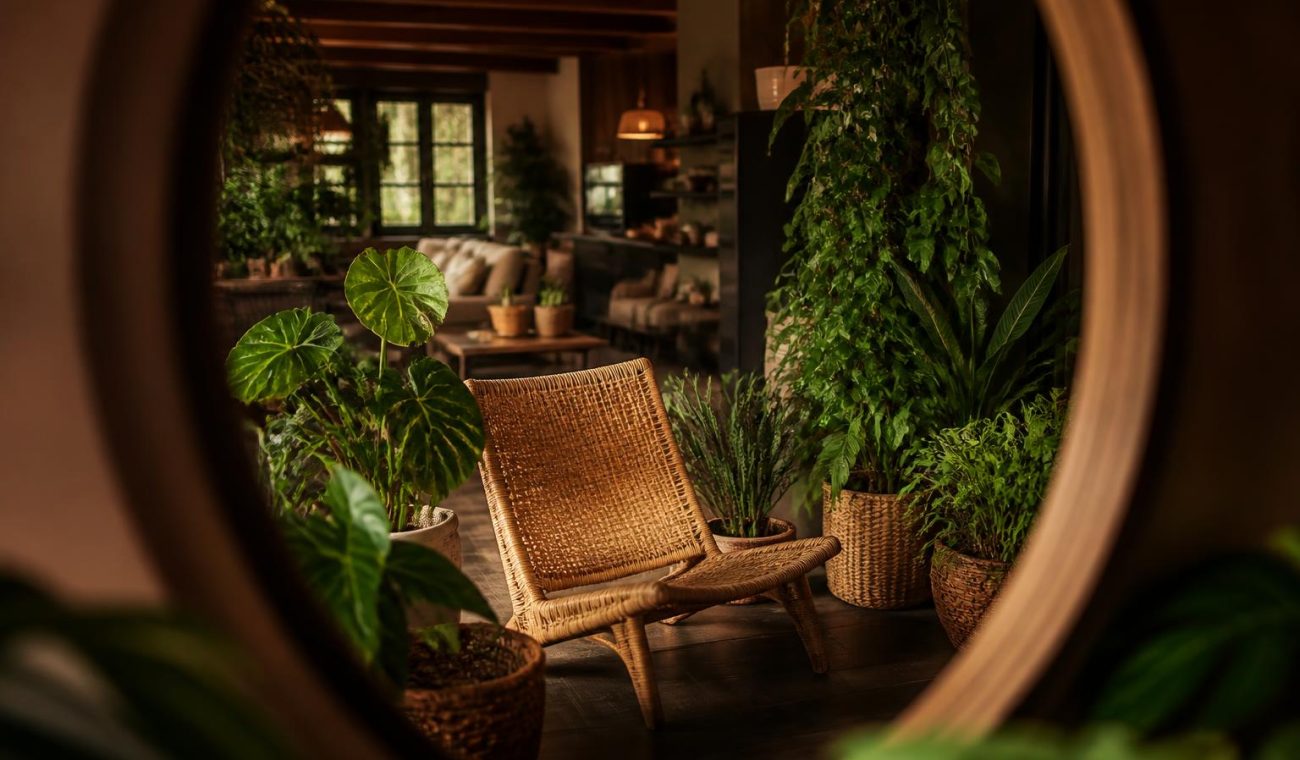
Foundations of a Cohesive Outdoor-Indoor Living Space
Creating a seamless transition between interior and exterior spaces starts with deliberate planning and material choice. Consider durable, weather-resistant textures that echo inside decor while withstanding sun, wind, and rain. From selecting plant palettes to choosing porch furniture, align colors and forms with indoor accents so that the garden feels like an extension of your home. This approach keeps daily routines efficient and invites natural light into the heart of living areas, reinforcing practical home improvement concepts. inertial measurement unit serves as a metaphor for precise alignment between spaces, reminding you that accuracy matters in both design and function.
Start by mapping zones: a dining area near the kitchen, a quiet reading nook, and a play spot for kids or pets. Use low-maintenance perennials outside to reduce seasonal labor, while choosing indoor-friendly planters that echo the same shapes inside. This dual strategy supports sustainable living, encourages gardening discipline, and makes interior decisions feel grounded in real, outdoor productivity. Focus on safety, accessibility, and a calm rhythm of maintenance to make home improvement feel manageable rather than overwhelming.
Choosing Plantings That Bridge Rooms and Sequences
Selecting plantings that bridge interior rhythms to exterior spaces creates a living continuum. Near doors, plant upright grasses and flowering shrubs that offer texture and seasonal color, drawing the eye outward while remaining easy to care for. Pair with evergreen groundcovers for year-round structure and a sense of order. The result is a garden that complements decor themes inside, while offering seasonally dynamic scenery that reduces the perception of effort when performing routine gardening tasks.
Incorporate scent-rich herbs along walkways to cue outdoor transitions and invite calmer, mindful moments. Herbs like thyme, rosemary, and lavender thrive with sun and good drainage, while companionable flowers provide tactile interest for children and guests. This thoughtful plant arrangement emphasizes sustainable watering practices, mulching strategies, and a modular layout that adapts to seasonal needs without demanding constant redesigns.
Hardscaping as a Foundation for Daily Living
Hardscape elements anchor your home improvement goals by delivering durable surfaces that tolerate foot traffic and weather without losing beauty. Choose pavers or treated decking in colors that echo interior flooring tones to maintain visual continuity. Integrate seating nooks and paths that guide movement between interior rooms and outdoor zones, which helps family members coordinate routines—from morning coffee to evening gatherings—without friction. A well-planned hardscape reduces maintenance while elevating curb appeal and property value.
Think about drainage and sun exposure when laying patios, ensuring plants and furniture won’t become waterlogged or overheated. Introduce permeable materials to manage runoff and support sustainable landscaping. Lighting should be layered to extend usability after dusk, using warm tones that complement indoor lamps. When people feel invited and comfortable outdoors, the line between home improvement and daily living blurs in a positive, productive way.
Water-Wise Maintenance that Supports Year-Round Enjoyment
Efficient irrigation and soil care are essential for a thriving garden without overwhelming time commitments. Install smart controllers or simple drip lines that deliver consistent moisture to roots while conserving water. Mulch generously to suppress weeds, stabilize soil temperatures, and reduce evaporation. By adopting a practical watering plan, you free time for interior redecorating, seasonal decor swaps, and spontaneous backyard moments, reinforcing a balanced approach to home improvement across seasons.
Seasonal pruning and tidy cleanup routines keep both garden and home interiors looking polished. Schedule tasks around natural growth cycles and weather patterns to avoid peak heat or rain, making maintenance predictable and less onerous. A routine that respects plant needs translates into less stress for homeowners and a calmer, more organized living environment overall. This mindset supports sustainable living and consistent decor coherence between spaces.
Lighting that Extends Living Space After Dark
Outdoor lighting should mimic indoor ambience, guiding movement and creating focal points without overpowering night skies. Use low-glare fixtures along paths and entryways, and place accent lighting to highlight trees or architectural features. The right lighting enhances safety and invites lingering moments outdoors, which in turn influences interior lighting choices—shades, temperature, and dimming to maintain a unified vibe across rooms and garden corners. Thoughtful illumination makes ongoing home improvement feel like a natural evolution, not a separate project.
Consider solar options for sustainability while maintaining reliability during overcast evenings. Dimmer switches and warm color temperatures align with interior lamps, creating a cohesive aesthetic. Seasonal lighting elements, like string lights or lanterns, can be swapped as new decor ideas arise, allowing you to refresh the atmosphere without major renovations. A well-lit yard supports gardening tasks and evening gatherings with equal comfort.
Texture and Color: Layering Decor Across Spaces
Texture and color are the connective tissue between interior decor and exterior gardens. Repetition of a single material—wood, rattan, ceramic—or a shared color palette creates harmony as you move from living room to porch to planting beds. Use cushions, pottery, and textiles that reflect indoor style while withstanding outdoor conditions. A coherent palette reduces decision fatigue and fosters confidence in ongoing home improvement, helping you plan seasonal updates with clarity.
Introduce decorative elements that are practical as well as aesthetic. Weatherproof sculptures, sturdy plant stands, and attractive storage solutions can serve both gardening needs and living spaces. When interior items find a second life outside, you gain versatility and keep maintenance manageable by choosing durable materials that age gracefully.
Seasonal Transitions: Planning for Spring, Summer, Autumn, and Winter
Anticipate seasonal shifts by pairing plants with corresponding interior accents that reflect the changing mood. Plant perennials that emerge reliably each spring, and rotate containers to reflect seasonal color trends. Keep a simple calendar for pruning, repotting, and refreshes in decor, so that garden and interior evolve in tandem. A proactive mood creates anticipation rather than chores, framing home improvement as a living process rather than a one-off task.
Store away delicate items before heavy weather arrives and ready outdoor spaces for entertaining year-round. Use weather-resistant fabrics and easily cleanable surfaces to simplify upkeep. By aligning care routines with interior cleaning and decorating cycles, you build a seamless, resilient home where the garden feels like a natural, well-integrated extension of daily life.