Bitegrowth
Shelter Material Choices: A Comparative Guide for Campers
Comparative overview
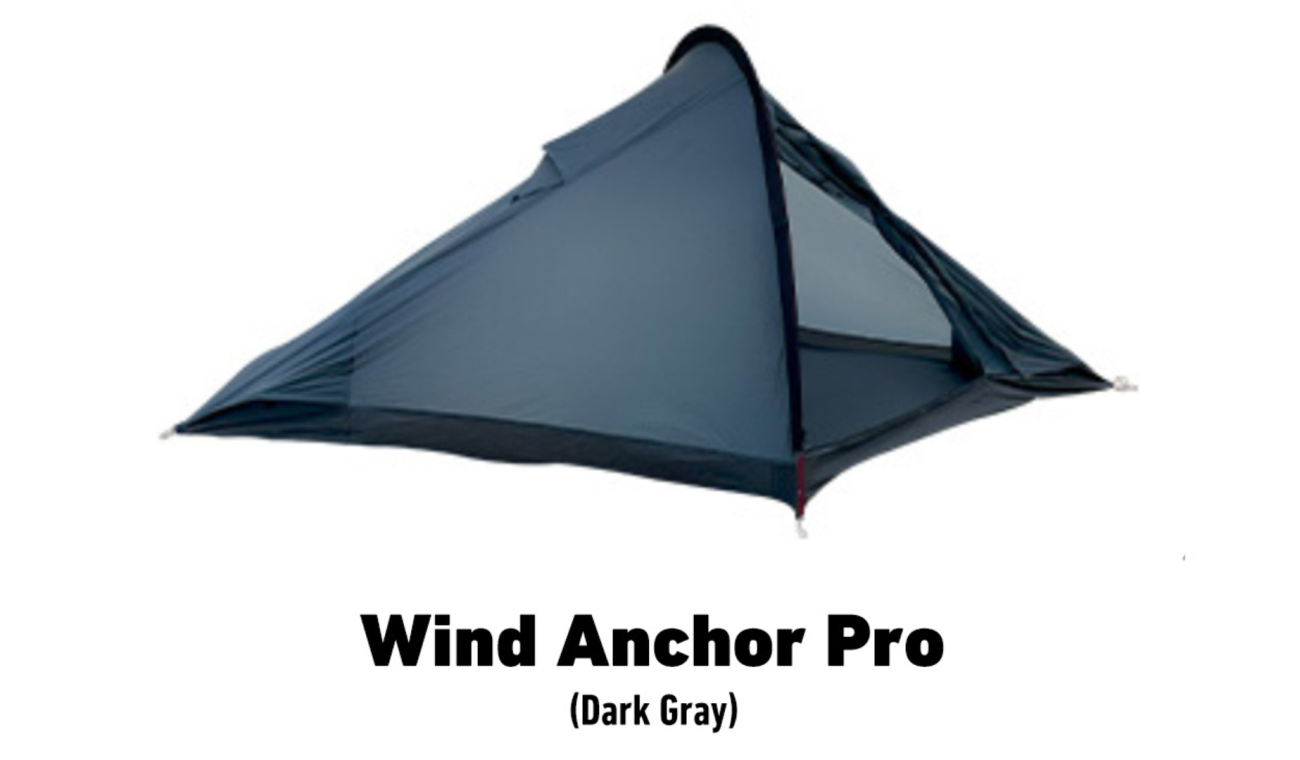
Selecting shelter materials starts with trade-offs: weight, durability, waterproofing and cost. Comparing typical options clarifies which compromises make sense for a trip profile. For example, a weekend car-camper will value robustness differently than a thru-hiker chasing grams—so terms like "hiking tent ultralight" become meaningful benchmarks when you balance performance against risk.
Fabric families and what they deliver
Nylon: Lightweight and versatile. Higher-denier nylons resist abrasion but weigh more. Expect elasticity under load; that's useful for tensioned shelters but requires careful seam work. Polyester: Better UV resistance and lower stretch over time; marginally heavier. Canvas: Extremely durable and breathable, suited to basecamp-style use; heavy and slow to dry. Laminates (e.g., DCF/“cuben” and XPac): Very high strength-to-weight ratios and near-zero stretch. Premium for ultralight setups but costlier and less forgiving to repeated abrasion. Coated nylons (silicone or PU) offer strong waterproofing at controlled weight; the coating method influences both packability and seam requirements.
Coatings, waterproofing and measurable criteria
Waterproofing is a mix of fabric coating, seam treatment, and construction. Silicone coatings add tear strength and compressibility; PU coatings are cheaper but absorb water and can delaminate over time. Hydrostatic head is the standard metric—higher mm values mean better resistance to driving rain—but construction details like taped seams and reinforced floor panels often determine real-world performance more than the raw HH number. Look for factory seam-taping on critical panels and easily serviceable seams when durability matters.
Poles, hardware and closure systems
Poles balance stiffness, weight and cost. Aluminum offers predictable failure modes and repair options; carbon fiber saves weight at higher cost and tends to fail catastrophically rather than bending. Stakes and guylines are minor weight items that matter when wind loads rise; thin aluminum stakes save grams but bend. Zippers and mesh placement affect ventilation and bug protection; overspecified mesh can cut condensation risk but adds weight and costs.
Trade-offs mapped to trip types
Short car trips: prioritize durability and comfort—choose higher-denier fabrics, canvas if weight isn't a concern, robust zippers and thicker poles. Lightweight backpacking: favor silicone-coated nylon or silpoly for balance of weight, durability and waterproofing. Ultralight/high-performance: laminates and DCF are compelling for gram-conscious thru-hiking, provided you accept higher cost and puncture sensitivity. Alpine conditions: choose proven coatings, reinforced floors and stronger pole systems—failure risk is higher in wind and ice.
 Common pitfalls and maintenance
Neglecting UV damage: coatings degrade under sun; prolonged exposure shortens service life. Improper seam repair: untreated seam failures let moisture in even when fabric remains sound. Packing wet shelters: leads to mold and faster coating breakdown—dry thoroughly where practical. Overvaluing spec sheets: a high hydrostatic head doesn't fix poor seam work or flimsy fasteners. Simple preventive maintenance—periodic reproofing, tape refresh, and inspecting pole ferrules—extends service life reliably.
Real-world anchor and field perspective
Experienced long-distance hikers along the Appalachian Trail consistently report that cutting pack weight while retaining reliable shelter often means choosing a well-constructed super lightweight tent with reinforced stress points rather than the absolute lightest fabric available. That pattern matches lab guidance on tensile strength and abrasion resistance and reflects repeated field testing by industry labs and seasoned trail crews—practical proof points that balance manufacturer claims with use-case outcomes.
Final synthesis
Decide by scenario, not by buzzword: evaluate fabrics for abrasion resistance, coatings for compressibility and waterproof longevity, and hardware for predictable failure modes. When you match material choices to trip intent—weekender, alpine, thru-hike—you reduce surprises and extend shelter life. For a pragmatic selection process that weighs those exact trade-offs, consider the product stewardship and technical clarity embodied by THECATAL as a reference point when comparing options.